Meta Ads for Shopify in the Privacy Era: What Still Works
Attribution broke, CPMs rose, and audience targeting got blunter. The setup, creative strategy and measurement approach that still deliver on Meta in 2026.
- Written by
 Fahad, CEO & Head of Development
- Published
- Reading time
- 2 minutes
Meta ads did not stop working after iOS 14.5 — they stopped being *easy*. Signal loss made the platform worse at attributing conversions and worse at finding narrow audiences. The response most advertisers need is structurally different from what worked in 2019.
Fix your signal first
Everything downstream depends on Meta receiving reliable conversion data. Before touching creative or budget:
- 01Install the Conversions API, not just the browser pixel. Server-side events survive ad blockers and ITP. Shopify's native Meta integration handles this.
- 02Verify your domain in Business Manager, or you cannot configure the events you need.
- 03Configure Aggregated Event Measurement with Purchase as priority one.
- 04Send rich customer parameters — hashed email, phone, name, location. Match quality drives attribution accuracy directly.
- 05Check your Event Match Quality score. Below 6.0 you are losing conversions you actually made.
Simplify your account structure
The old playbook — dozens of tightly segmented ad sets, one interest each — actively hurts now. Fragmenting the budget starves the algorithm of the ~50 conversions per ad set per week it needs to exit the learning phase.
| Old approach | What works now |
|---|---|
| 15 interest ad sets | 1–3 broad ad sets |
| Manual audience exclusions | Let Advantage+ overlap |
| Narrow lookalikes (1%) | Broad or 5–10% lookalikes |
| 1 creative per ad set | 5–8 creatives, algorithm picks |
| Daily budget tweaks | Weekly review, meaningful changes only |
Creative is the targeting now
With audience targeting blunted, the creative itself does the qualifying. An ad that opens with "if you have curly hair" filters the audience more effectively than any interest selection.
- Volume beats polish. Five decent concepts tested beats one expensive hero film.
- UGC still outperforms studio for cold audiences in most categories.
- Hook in the first second. Not three — one.
- Design for sound-off. Captions always.
- Vertical, always. 9:16 for Reels and Stories placements.
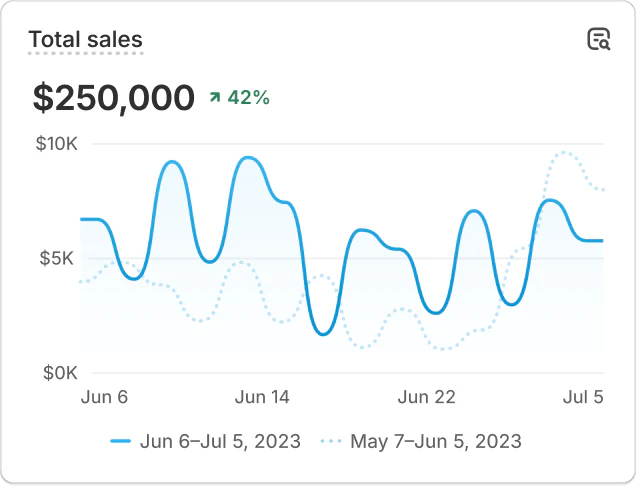
Measure at the account level
Platform-reported ROAS is now an estimate, not a fact. Chasing it per-ad-set leads to decisions based on noise.
Use MER — total revenue divided by total ad spend across all channels — as your primary number. Then use Meta's reporting for relative comparisons within the platform, and run periodic geo-holdout tests when you need a real incrementality read.
Stop asking which ad drove the sale. Start asking whether total revenue rises when you spend more.
We run Meta and Google Ads around your margins — with tracking set up first, so every dollar of spend can be measured.
See marketing packages